Home
Next
A SaaS web app that matches travelers with spontaneous trips with budget-friendly prices.
Launched
SaaS Web App
OVERVIEW
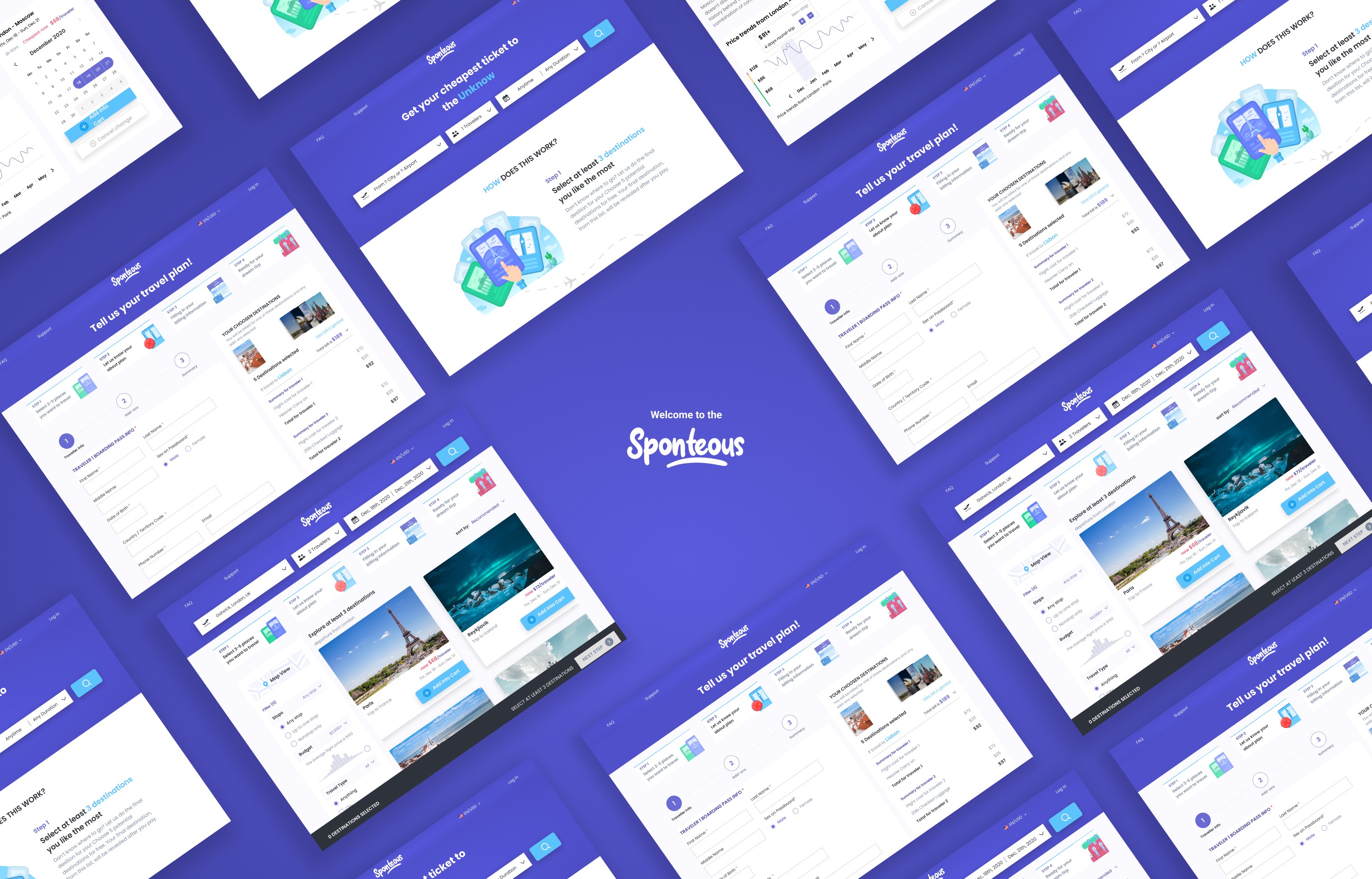
Sponteous is an early-stage startup that helps airlines clear distressed inventory by selling it as mystery flights to end users.
In October 2020, I joined a four-person team as the UX designer, working closely with the CEO to design a solution that would improve the website experience and help expand into the Canadian end-user market.
MY ROLE
UX/UI Design
TEAM
Overview
TIMEFRAME
Dec 2021 ~ Apr 2023
Design Highlight
A streamlined calendar supports flexible planning, while 3-day flight bundles reduce effort and align user choices with inventory needs, leading to clearer user decisions and higher conversion.
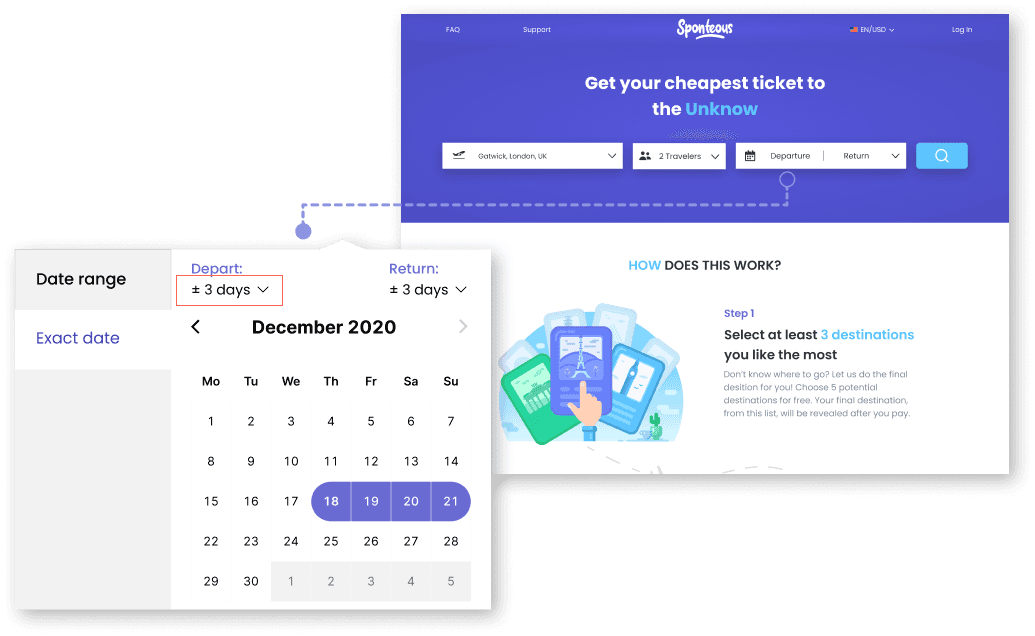
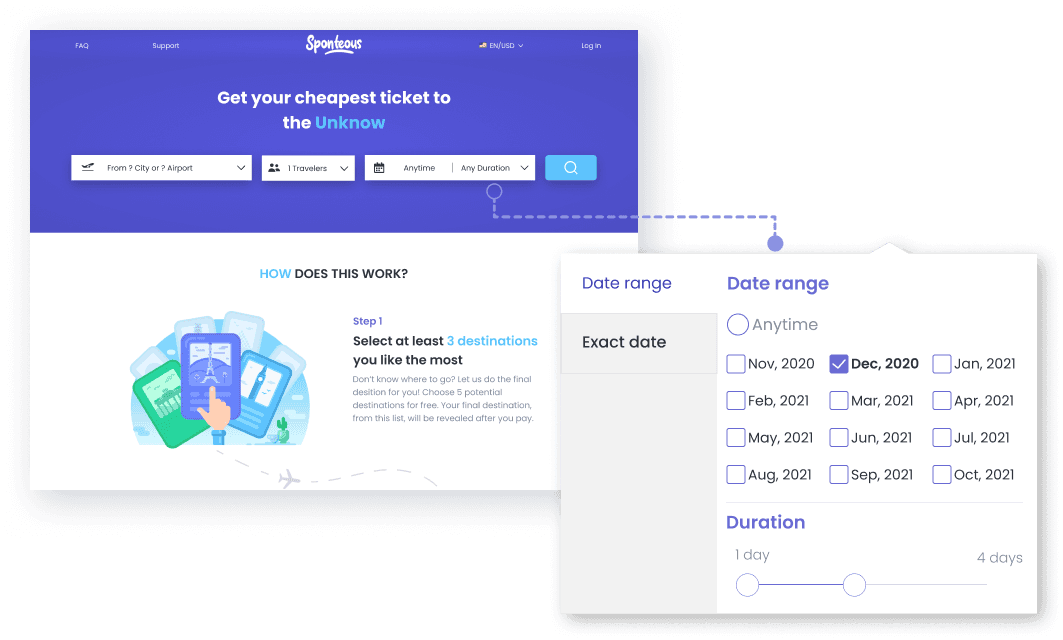
Unlock clarity through focused views.
Key details expand in a modal, offering clearer focus and reducing clutter. A price trend chart follows naturally, inviting exploration and guiding users toward confident, informed decisions.
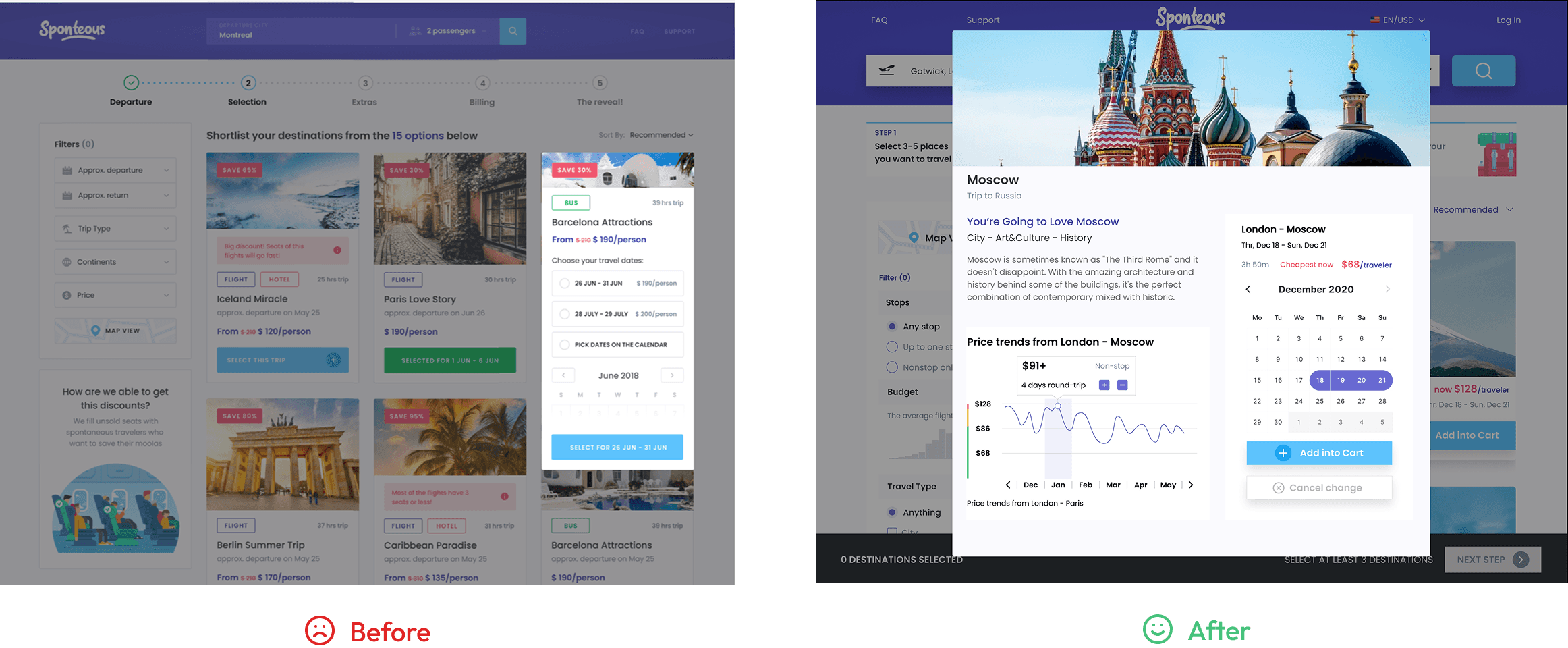
Key details expand in a modal, offering clearer focus and reducing clutter. A price trend chart follows naturally, inviting exploration and guiding users toward confident, informed decisions.
Project Context
A streamlined calendar supports flexible planning, while 3-day flight bundles reduce effort and align user choices with inventory needs, leading to clearer user decisions and higher conversion.
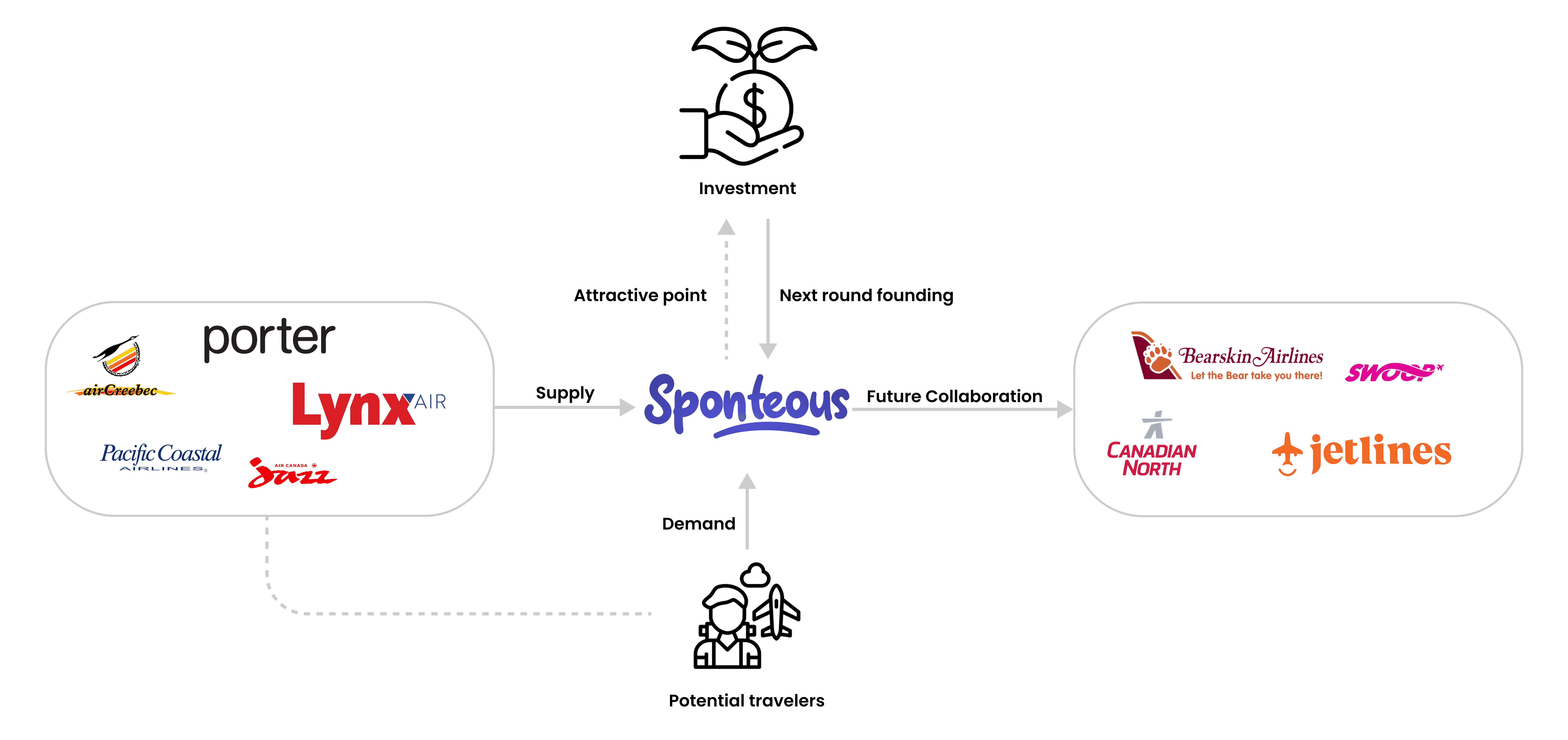
Improving user retention rate to strengthen behavioral data and demonstrate product traction.
Drive stronger sales by improving satisfaction across the user journey.
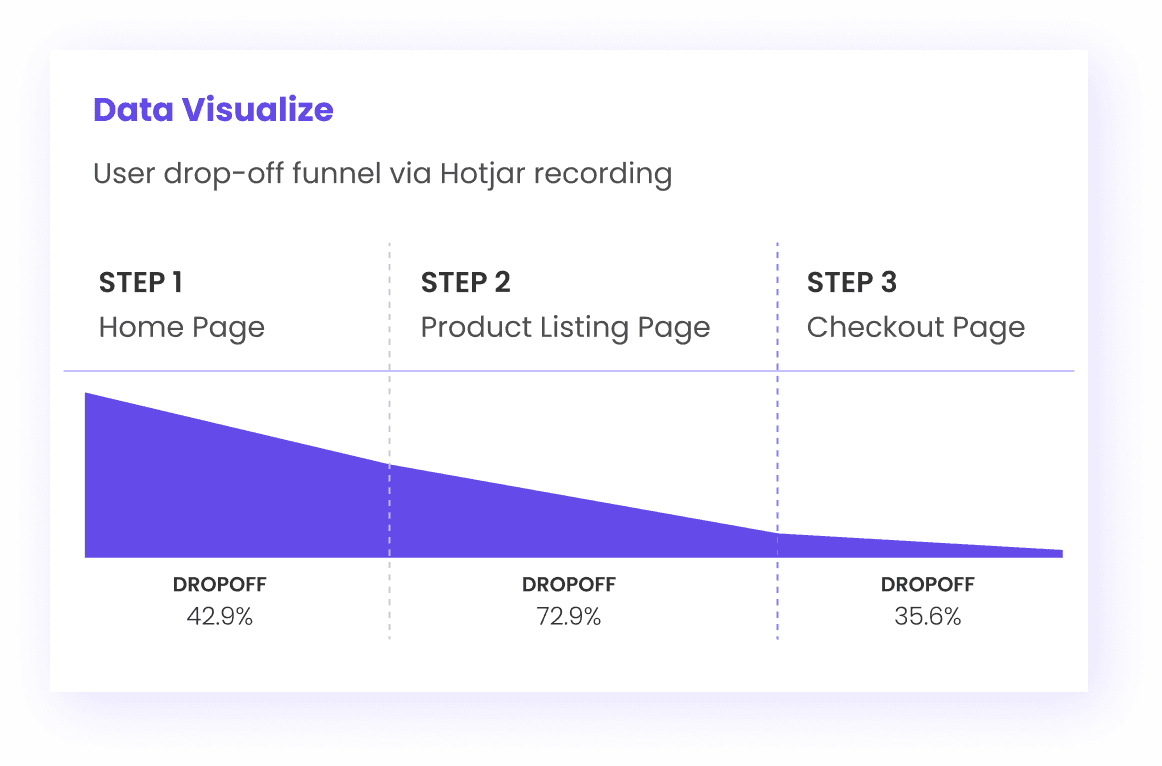
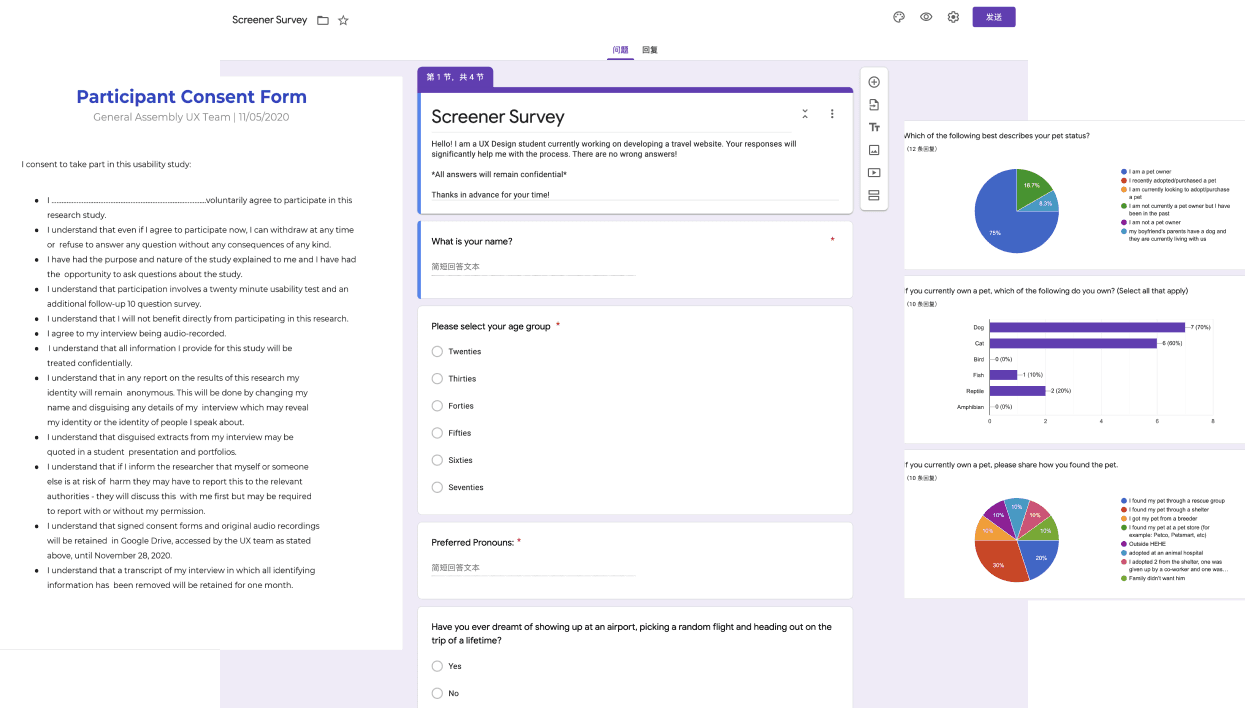
Deep Research
Solution
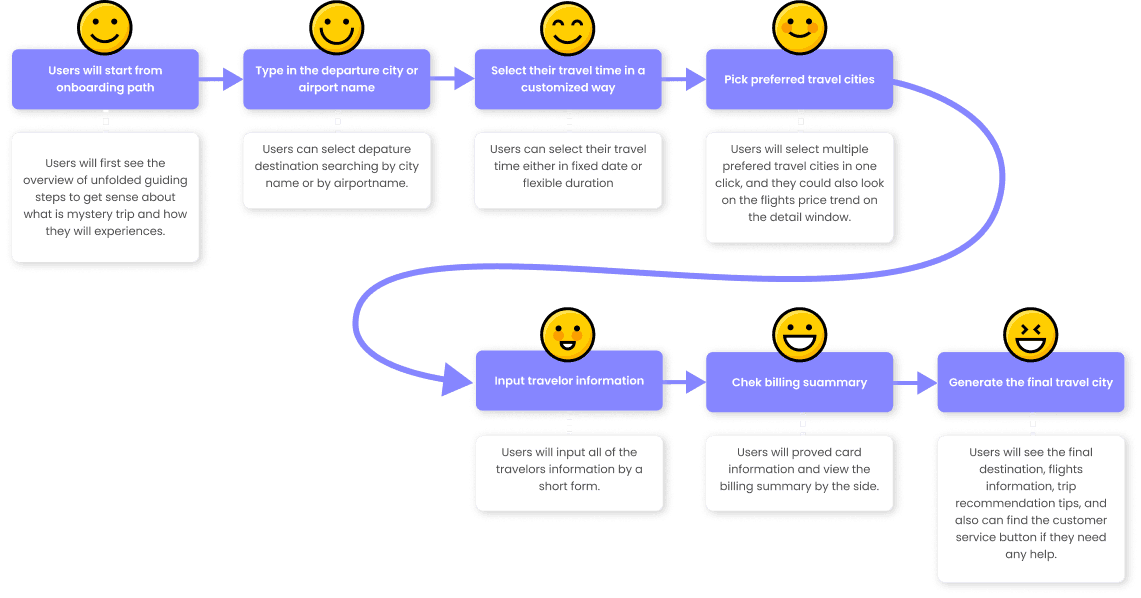
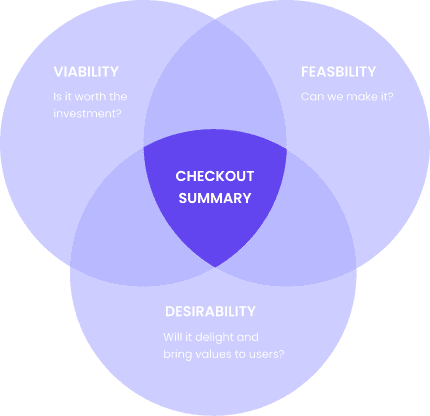
Given limited design time and engineering constraints, we prioritized the checkout summary, as it was both feasible and highly requested by users and the Sponteous team. While improving onboarding and booking flow could enhance efficiency, these required major structural changes and were set as long-term goals.
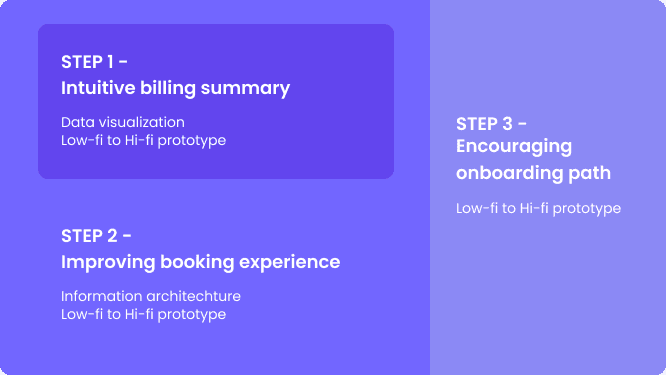
The process of improving booking experiences.
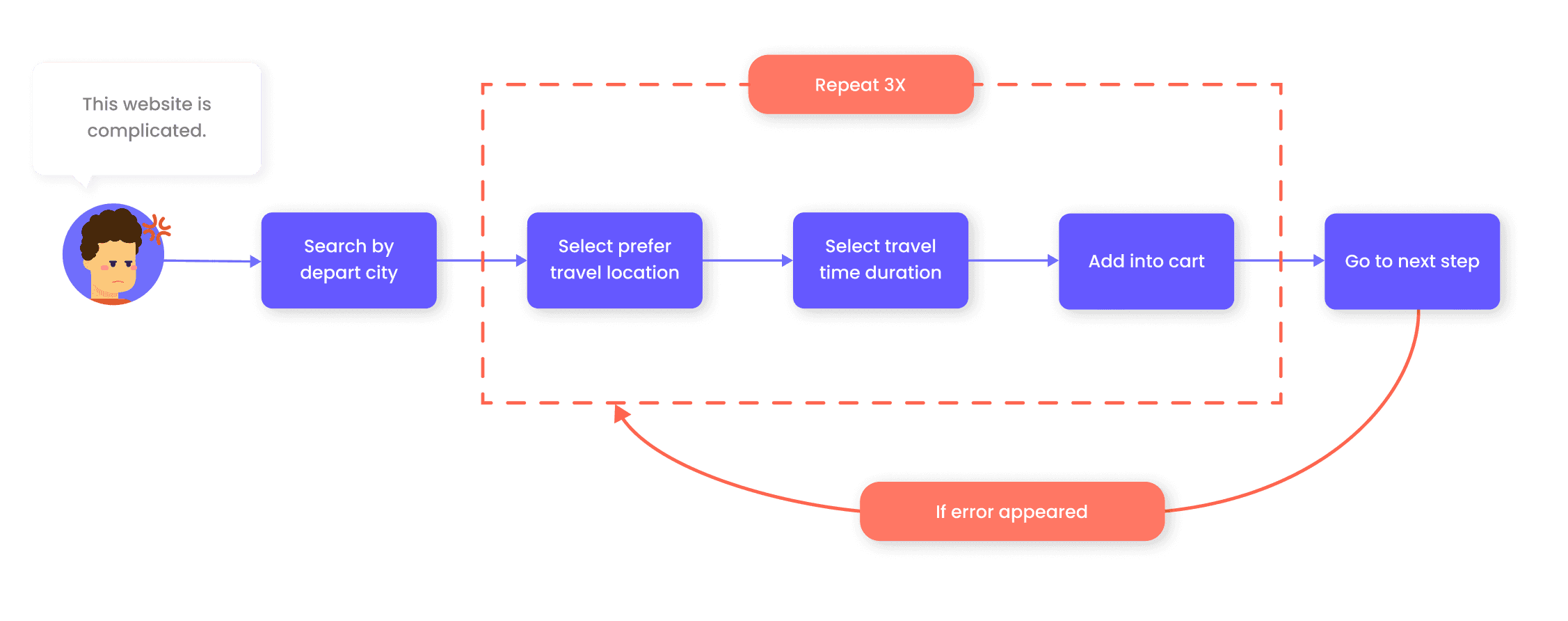
Redesign the user flow
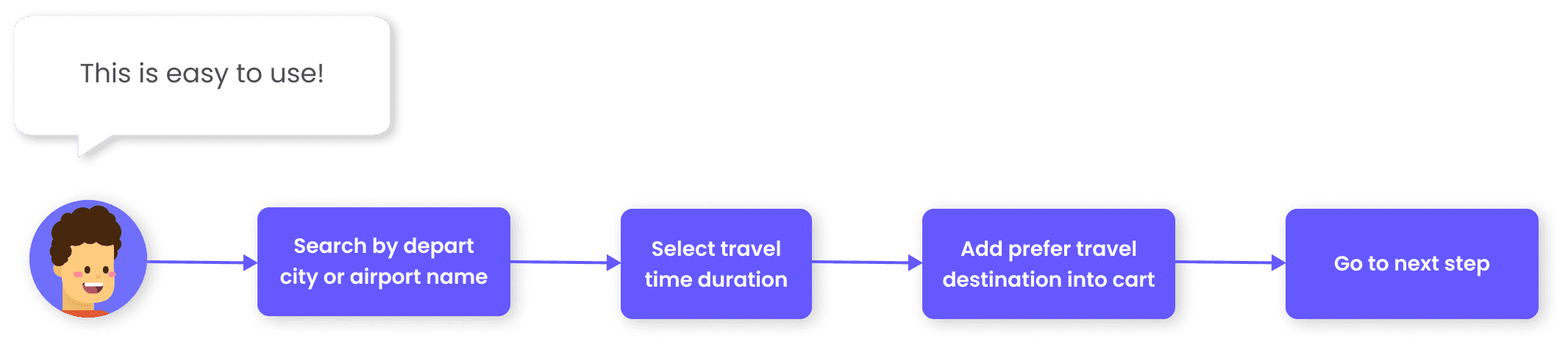
As an early-stage startup with limited airline partnerships, Sponteous relies on destination variety to support its random trip model. To avoid exposing inventory gaps, the user flow places destination selection before travel time. Reversing this order could limit visible options and reduce user engagement.
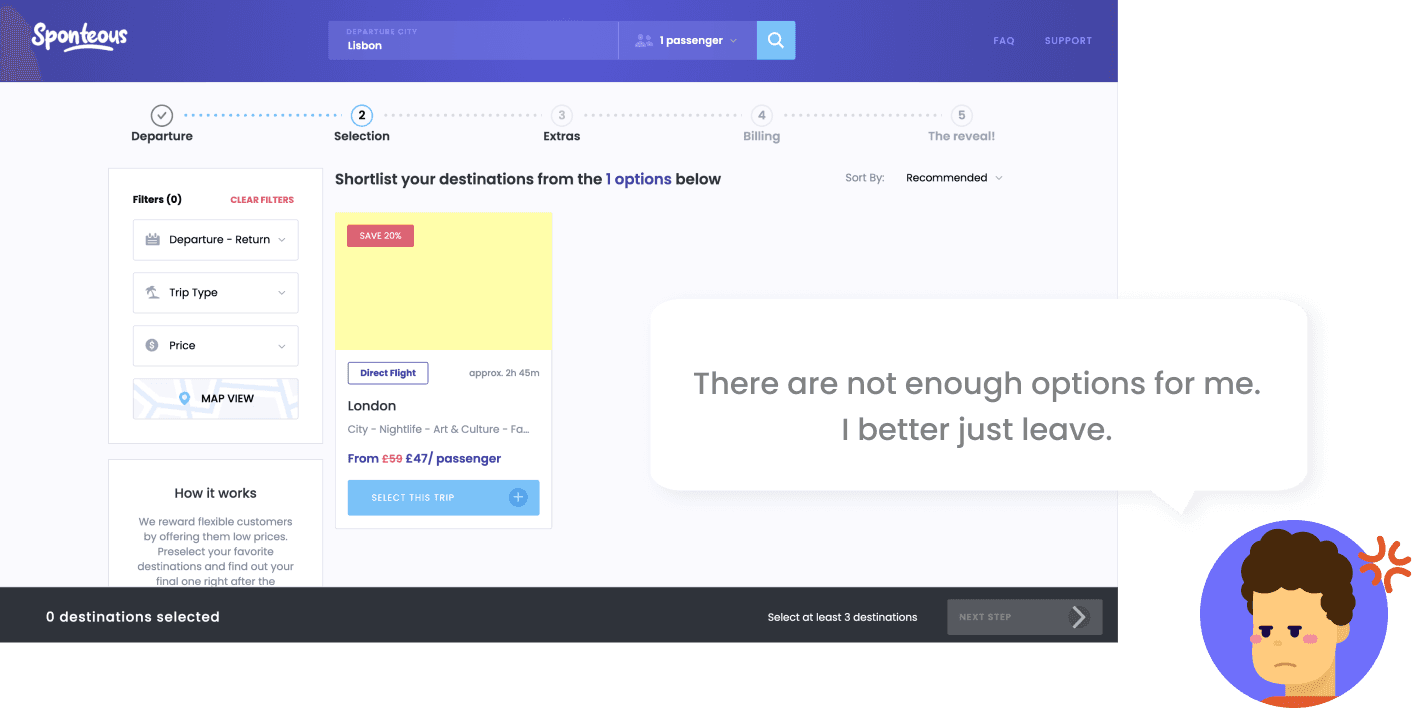
Design Choices
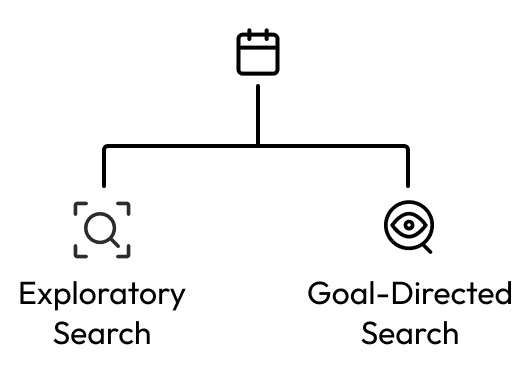
Split travel time duration into two ways.
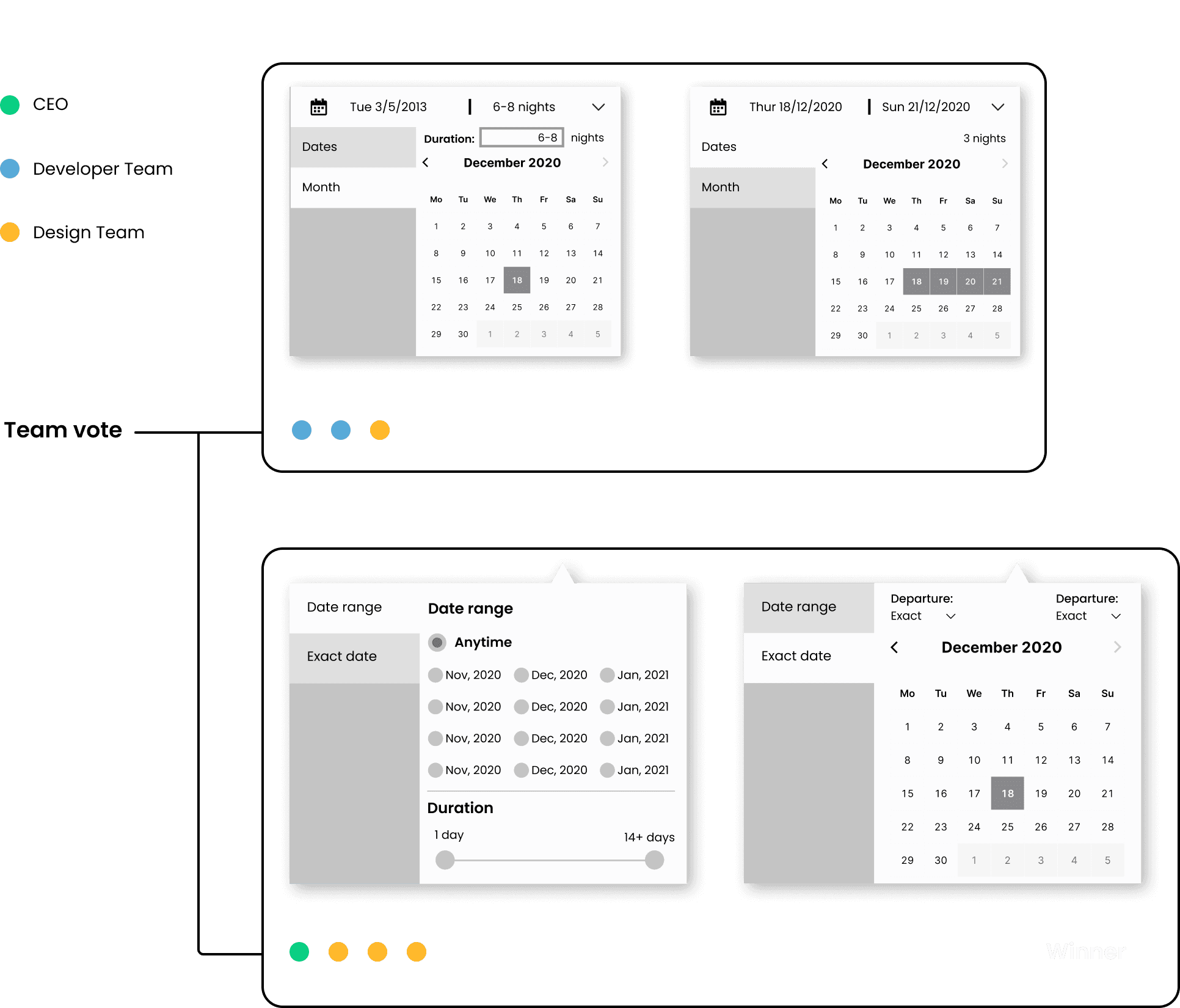
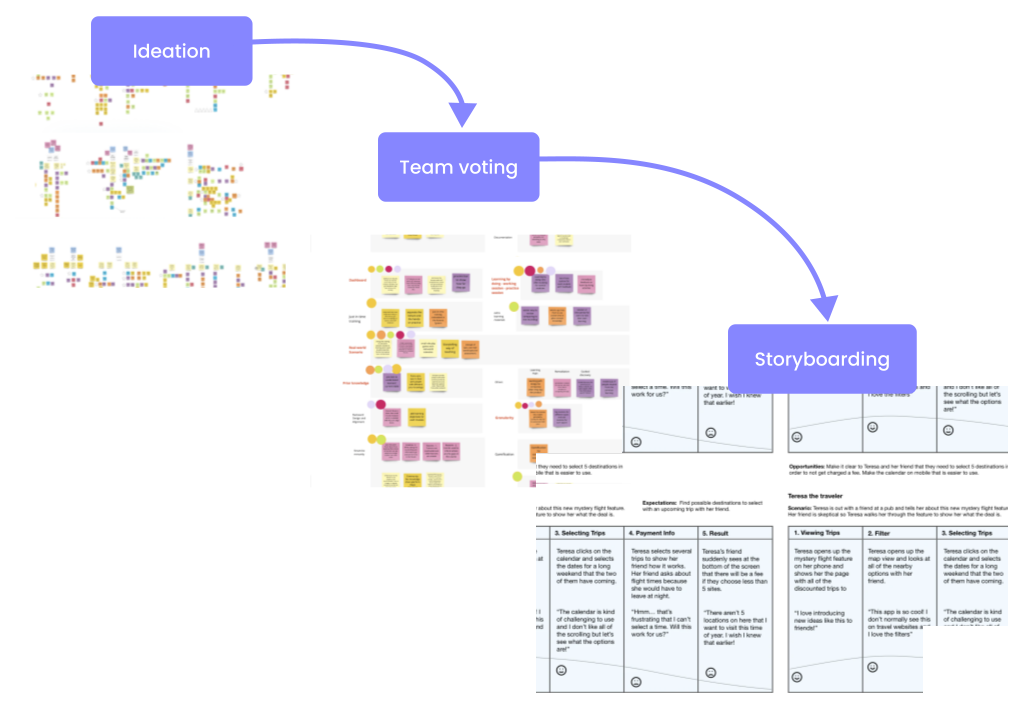
Team vote for design options.
Small iteration base on feedbacks.
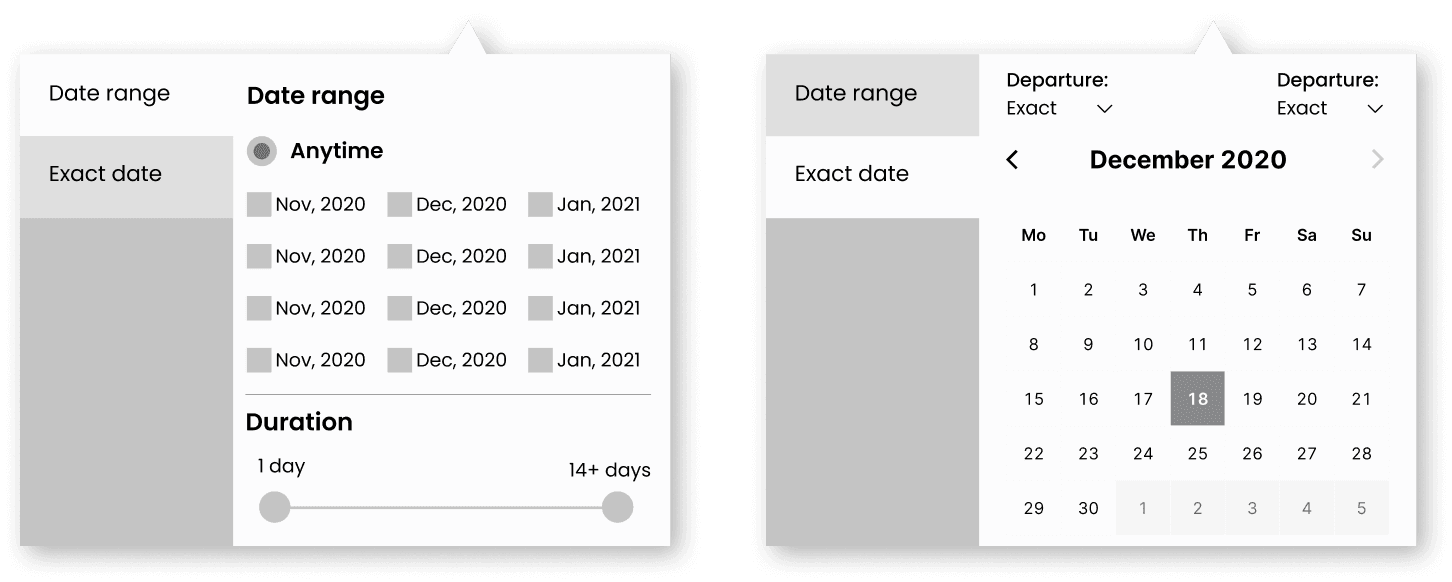
Multiple choice inputs reduce constraints and support more exploratory user behavior.
Provide improved wording to eliminate ambiguity.
Improving card area to support more.
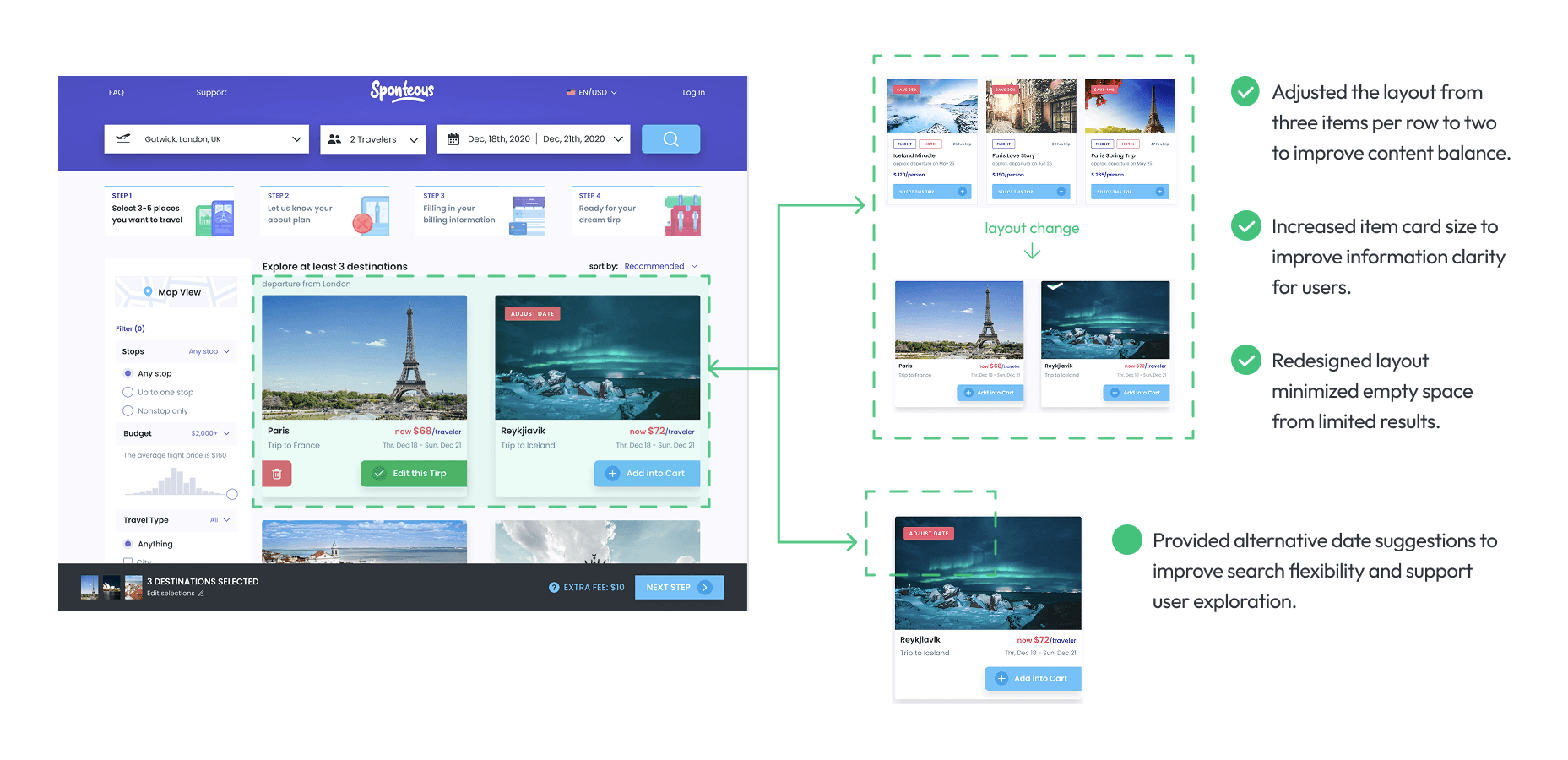
The process of improving booking experiences.
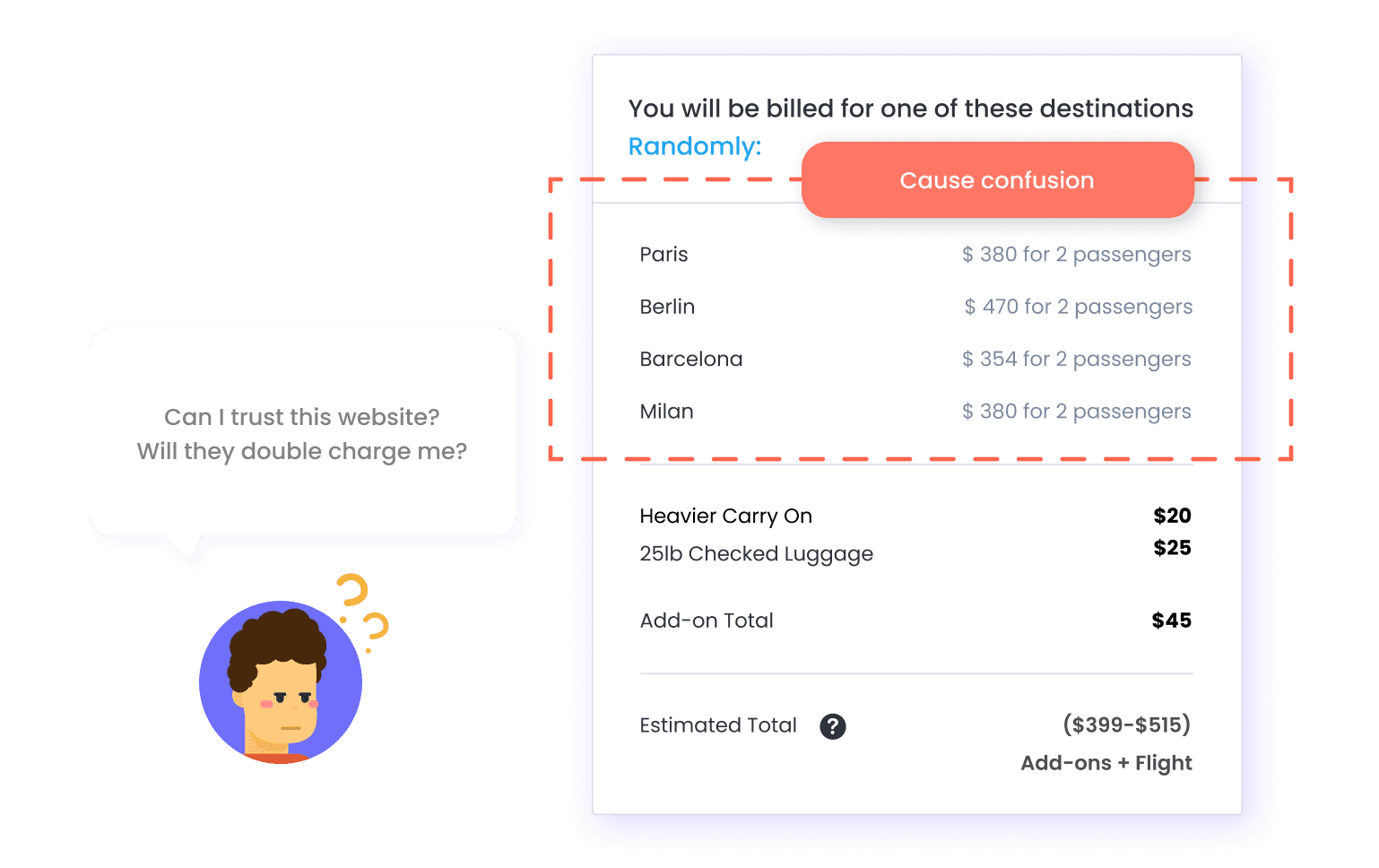
Design Choices
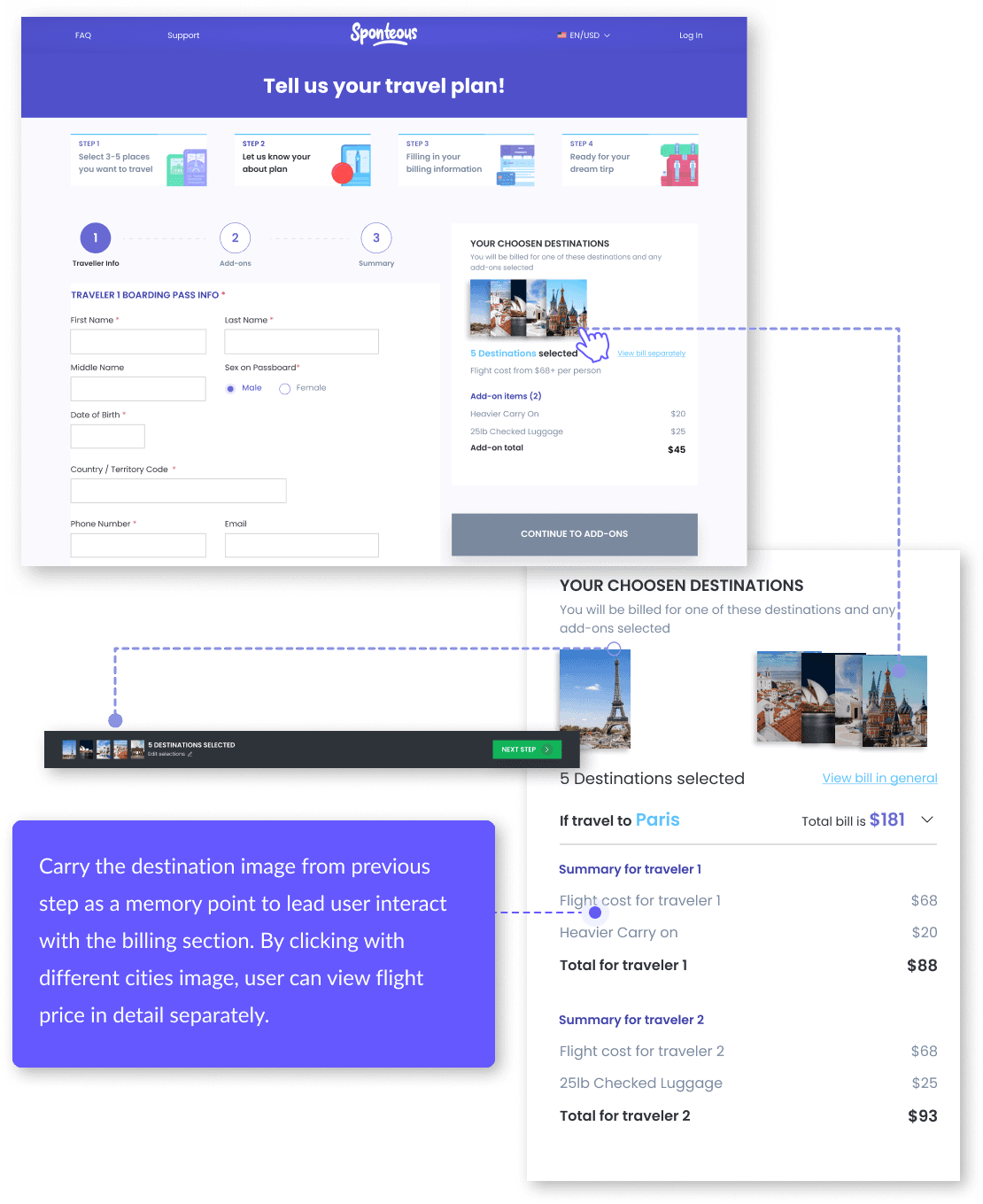
Detailed the options using identifiable cards and incorporated micro-interactions to help users understand the full bill.
Ideation process

Final outcome
Before
Redundant user flow confused users.
Unexpected notification interrupt users' decision.
Confused bill information.
After
Clear user flow to guide users' decision.
Notifications appear only when necessary to support user focus.
After the final design review, I collaborated with our design team and quickly shipped the new prototype and followed up with a round of usability testing with 15+ new users.
Before
After